


Halloween Pet Safety: 3 Hidden Dangers Every Pet Parent Should Know
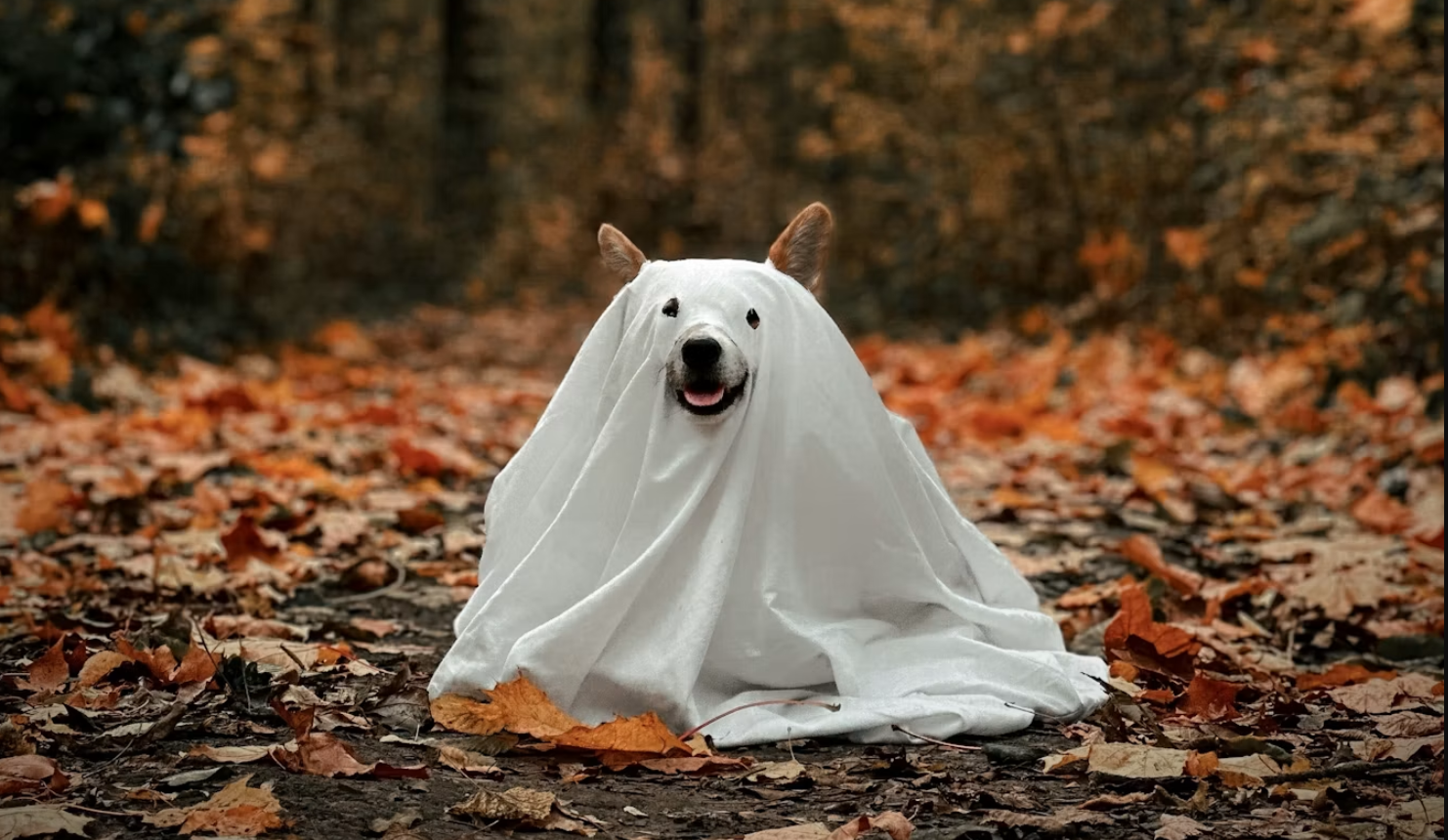
Fall brings cooler weather, changing leaves, pumpkin carving, apple picking and, unfortunately, a few extra opportunities for our pets to get into trouble.
Halloween is an especially busy time for many veterinary emergency hospitals. Most pet parents already know that chocolate and dogs are a bad combination, but candy isn’t the only Halloween hazard worth thinking about.
Costumes, sugar-free treats and even the wrappers and decorations around your home can create unexpected problems for curious pets.
Here are three Halloween pet safety risks to keep on your radar this spooky season.
1. Chocolate Can Be Dangerous in More Forms Than You Think
Most of us have heard that chocolate is toxic to dogs, but not all chocolate carries the same level of risk.
Dark chocolate, baking chocolate and cocoa powder contain higher concentrations of the compounds that cause chocolate toxicity and can be particularly dangerous.
How serious an exposure is depends on several things, including:
- the type of chocolate
- how much was eaten
- your pet’s size
- your pet’s overall health
Signs of chocolate toxicity in pets
Symptoms can range from relatively mild gastrointestinal upset to a medical emergency.
Watch for:
- vomiting
- diarrhea
- restlessness
- increased heart rate
- abnormal heart rhythms
- tremors
- seizures
Severe chocolate poisoning can become life-threatening.
What should you do if your pet eats chocolate?
Don’t wait for symptoms to appear.
Call your veterinarian, an emergency veterinary hospital or a veterinary poison-control service as soon as possible. They can help determine the risk based on your pet’s weight, the type of chocolate and the amount they may have eaten.
If you’re heading to the vet, bring as much information as you can.
That might include:
- the candy wrapper
- the packaging
- a photo of the ingredients
- an estimate of how much is missing
- when you think your pet ate it
Even if you don’t know exactly how much they ate, knowing what they got into can help your veterinary team determine the safest next step.
2. Sugar-Free Candy and Gum Can Contain Xylitol
Chocolate tends to get most of the Halloween attention, but sugar-free candy and gum can present another serious risk.
Xylitol is a sugar substitute found in some:
- chewing gums
- candies
- dental products
- baked goods
- other sugar-free products
Xylitol can be extremely dangerous to dogs.
In dogs, xylitol can trigger a sudden release of insulin, causing blood sugar to fall rapidly. This can lead to severe hypoglycemia.
Signs of xylitol poisoning in dogs
Possible symptoms include:
- vomiting
- weakness
- lethargy
- difficulty walking
- tremors
- seizures
- collapse
Larger exposures can also be associated with serious liver injury.
Because products contain very different amounts of xylitol, it can be difficult to determine the risk just by looking at how much gum or candy your dog ate.
If you think your dog may have ingested something containing xylitol, treat it as an urgent situation and contact your veterinarian or veterinary poison-control service right away.
And maybe give that trick-or-treat stash a spot well above nose level this year.
3. Halloween Costumes Can Create Unexpected Hazards
Pet costumes are objectively adorable.
Unfortunately, some of the things that make Halloween costumes fun can also make them tempting for pets to chew, swallow or pull apart.
Keep an eye on:
- fringe
- string
- ribbon
- feathers
- buttons
- bells
- elastic
- small costume accessories
If swallowed, these objects can become lodged in the gastrointestinal tract and cause an intestinal obstruction.
String-like objects are particularly dangerous
Cats especially seem to have a talent for finding the one dangling string they absolutely should not eat.
String, ribbon, fringe and similar materials can cause something veterinarians call a linear foreign body.
Instead of simply sitting in one place, part of the material can become anchored while the rest continues moving through the intestines. This can cause the intestines to bunch together and can potentially lead to serious damage.
Important: don’t pull on visible string
If you see string, ribbon or another long object coming from your pet’s mouth or rectum, do not pull it out.
Contact your veterinarian instead.
Pulling can cause damage if part of the material is caught farther inside the digestive tract.
A Few More Halloween Pet Safety Tips
A little preparation can prevent a Halloween night trip to the emergency vet.
Before the trick-or-treaters arrive:
- Keep candy bowls and treat bags well out of reach.
- Put purses and backpacks containing candy somewhere pets can’t access.
- Check ingredient labels on sugar-free products for xylitol.
- Supervise pets wearing costumes.
- Remove loose costume pieces that could be chewed or swallowed.
- Keep ribbon, fake cobwebs, decorations and small accessories away from pets.
- Make sure your pet has a quiet place to retreat if doorbells, costumes or visitors become overwhelming.
And remember that pets are incredibly good at getting into things we were absolutely certain they couldn’t reach.
What If Your Pet Gets Into Something?
If you think your pet has eaten something potentially toxic or swallowed part of a costume or decoration, don’t wait until they look sick.
Contact your veterinarian, veterinary emergency hospital or an animal poison-control service for guidance.
Before you call, try to gather:
- your pet’s approximate weight
- what they ate
- how much they may have eaten
- when it happened
- the packaging or ingredient list
- any symptoms you’ve noticed
The more information your veterinary team has, the easier it is for them to assess what needs to happen next.
Halloween Should Be Spooky. Your Vet Bill Doesn’t Have to Be.
Halloween can still include ridiculous pet costumes, overflowing candy bowls and approximately 400 photos of your dog dressed as a hot dog.
A few small precautions can make sure the scary part stays fictional.
Keep candy out of reach, check labels carefully, supervise costumes and know who you’ll call if your pet gets into something they shouldn’t.
And if something does happen, having the details written down matters.
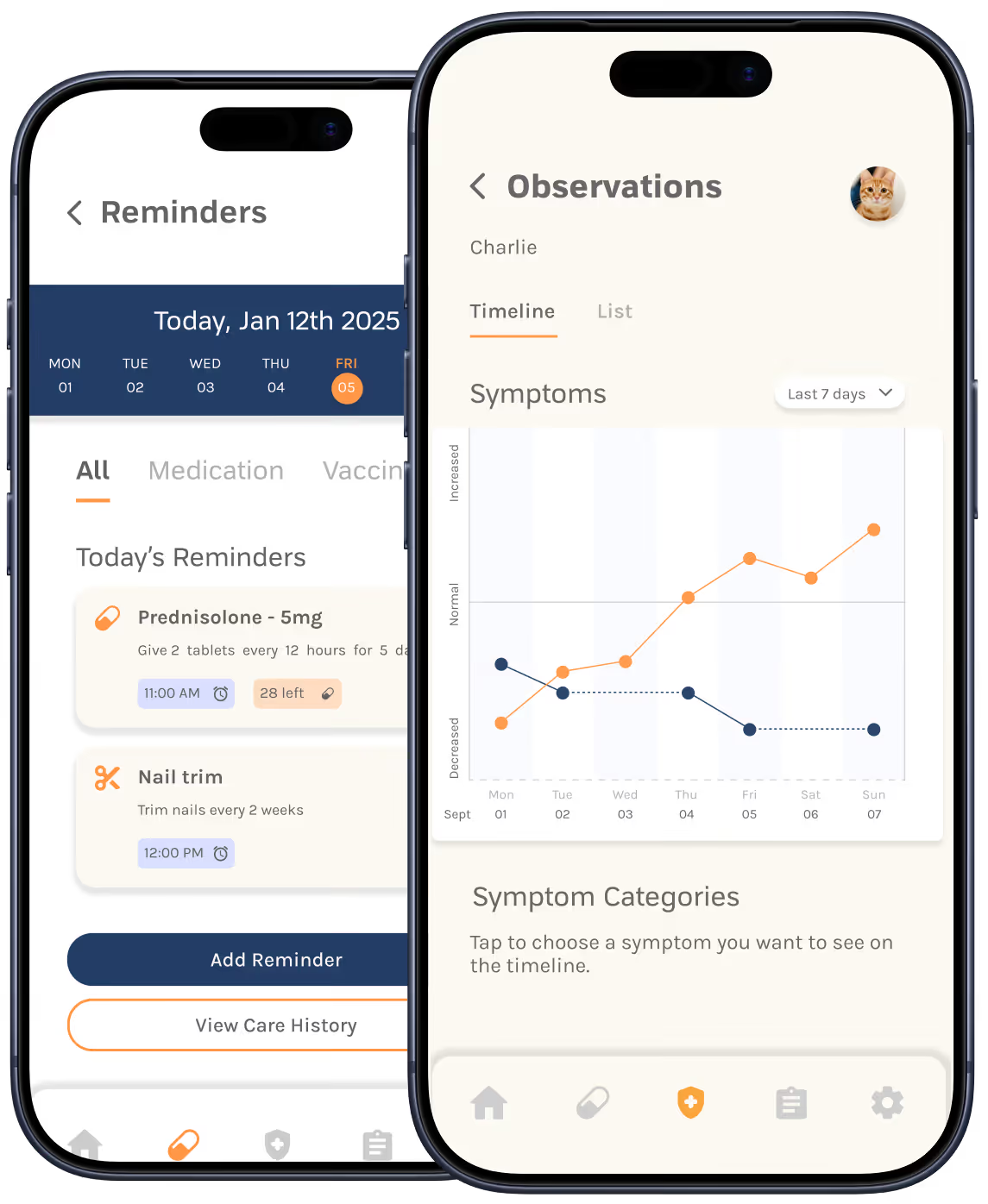
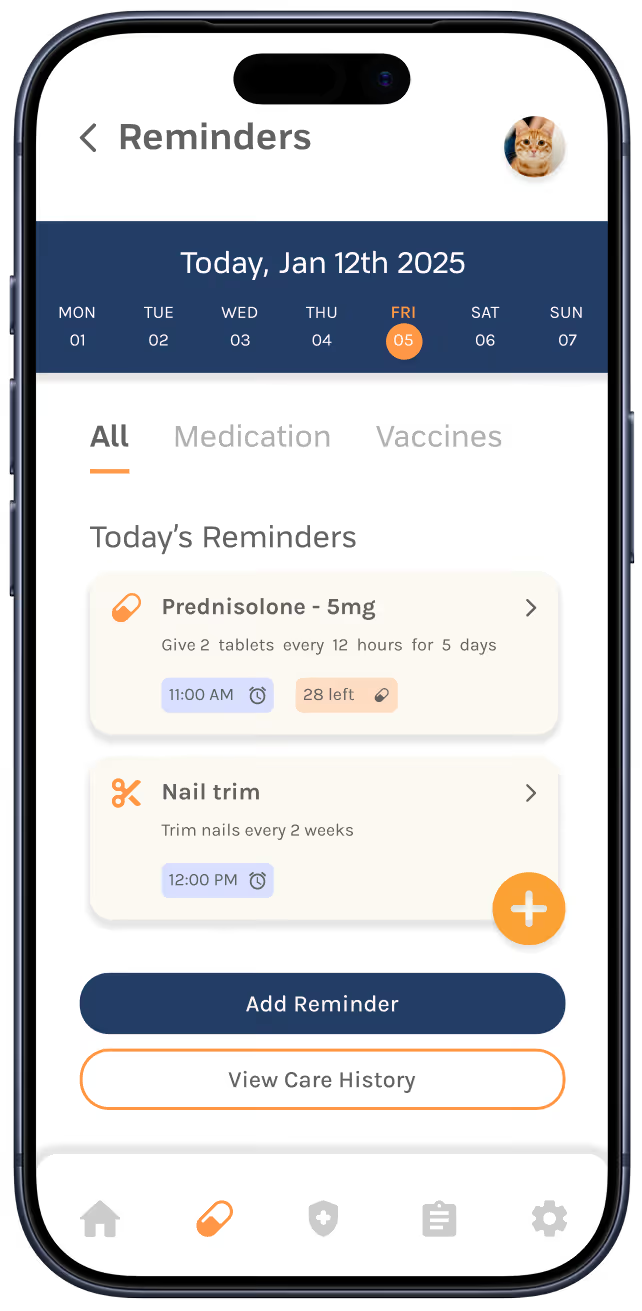
With VetTeQ, you can keep your pet’s health information, symptoms, photos, medications and veterinary records organized in one place, so when you need to speak with your veterinary team, you’re not trying to remember everything in the middle of a stressful moment.
Because the appointment might last 20 minutes.
Pet care happens every day.