


Household Toxins and Pets: Everyday Items That May Cause Harm
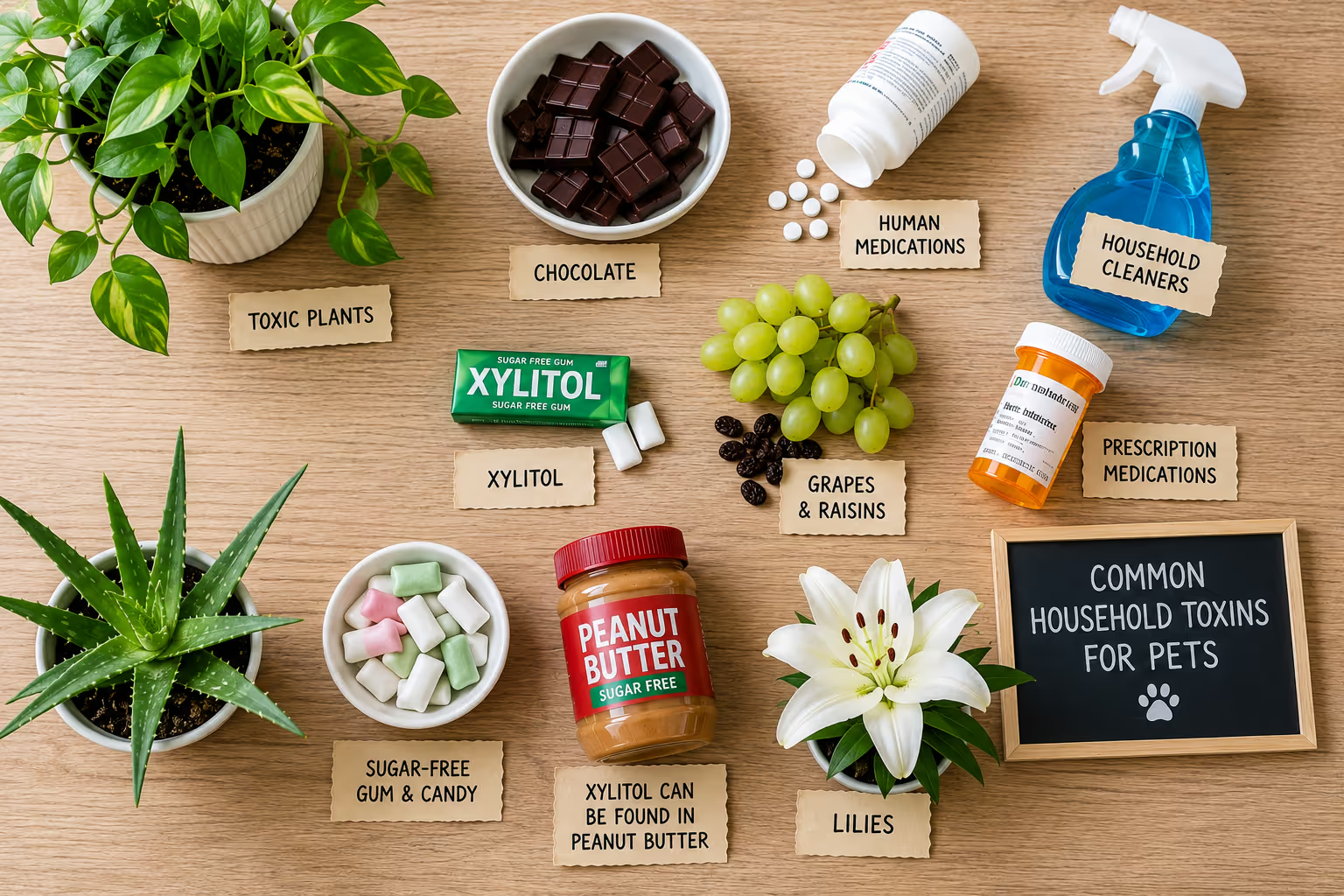
Many of the products we use every day are perfectly safe for people but can be dangerous for our pets.
From foods and medications to household cleaners and plants, accidental poisonings are one of the most common reasons pets require emergency veterinary care.
Knowing what to watch for and what to do in an emergency can help protect your pet and potentially save their life.
Common Household Toxins for Pets
Human Medications
Many medications that are safe for humans can be highly toxic to pets.
Examples include:
- Ibuprofen
- Acetaminophen
- Antidepressants
- ADHD medications
- Sleep aids
Never give your pet medication unless specifically instructed by a veterinarian.
Chocolate
Chocolate contains compounds called methylxanthines, which can be toxic to dogs.
Dark chocolate and baking chocolate contain the highest concentrations and pose the greatest risk.
Xylitol
Xylitol is an artificial sweetener commonly found in:
- Sugar-free gum
- Mints
- Baked goods
- Peanut butter
- Dental products
Even small amounts can cause serious illness in dogs.
Grapes and Raisins
While not every dog is affected, grapes and raisins can cause sudden kidney failure in some pets.
Household Cleaners
Cleaning products can cause irritation, burns, or poisoning if ingested or inhaled.
Always store products securely and follow label instructions carefully.
Toxic Plants
Many popular houseplants can be harmful to pets.
Examples include:
- Lilies (especially dangerous for cats)
- Sago palms
- Aloe vera
- Pothos
- Dieffenbachia
Cannabis Products
Edibles and cannabis products are becoming an increasingly common cause of veterinary emergency visits.
Pets may experience severe neurological symptoms after exposure.
Signs of Poisoning in Pets
Symptoms vary depending on the toxin involved but may include:
- Vomiting
- Diarrhea
- Drooling
- Tremors
- Seizures
- Weakness
- Difficulty breathing
- Collapse
- Changes in behaviour
- Loss of coordination
Some toxins cause symptoms immediately, while others may take hours or days to appear.
What Should You Do If You Suspect Poisoning?
Stay Calm
If possible, identify what your pet may have ingested and approximately how much.
Contact a Veterinarian Immediately
Do not wait for symptoms to appear.
Early treatment often leads to better outcomes.
Do Not Induce Vomiting Unless Directed
Some substances can cause additional damage if vomited back up.
Always follow veterinary guidance.
Bring Information With You
If visiting a clinic, bring:
- Product packaging
- Ingredient lists
- Photos of the substance
- Information about timing and quantity consumed
Prevention Tips
The best treatment is prevention.
Consider:
- Keeping medications secured
- Storing cleaners out of reach
- Checking plants before bringing them home
- Keeping food waste secured
- Educating family members about pet-safe practices
A few simple precautions can dramatically reduce the risk of accidental poisoning.
Final Thoughts
Many household toxins are hidden in plain sight, making awareness one of the most powerful tools pet owners have.
If you ever suspect your pet has been exposed to a potentially toxic substance, contact your veterinarian immediately. Acting quickly can make all the difference.