




Which House Plants Are Safe for Pets?
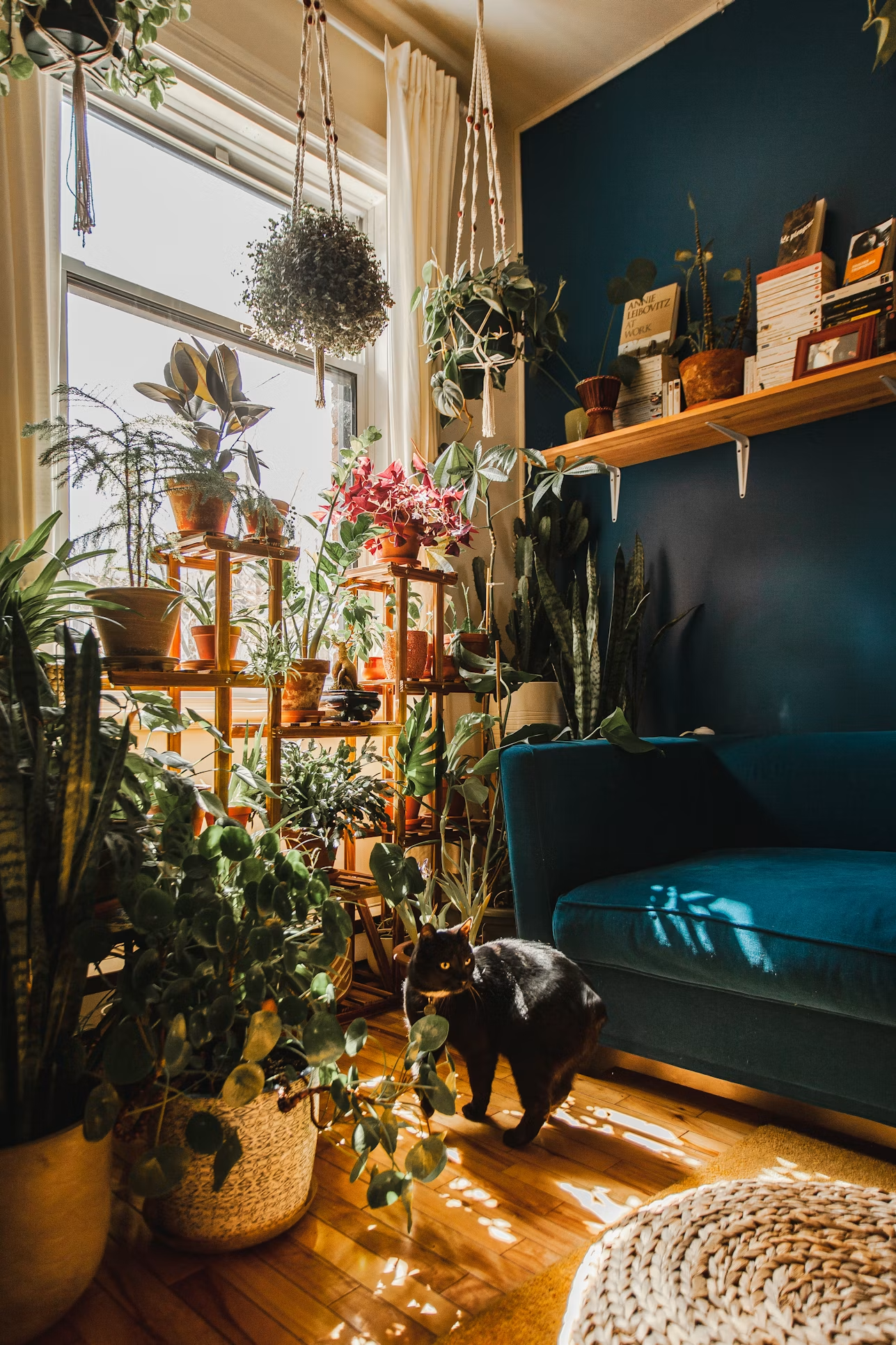
Houseplants can brighten a space, improve air quality, and make a house feel more like home. But if you share your home with a curious cat or dog, it's important to know that some popular plants can pose serious health risks.
The good news? You don't have to choose between having plants and keeping your pets safe. With a little knowledge, you can create a beautiful, pet-friendly space that everyone can enjoy.
Why Are Some Plants Toxic to Pets?
Plants produce a variety of natural compounds to protect themselves from insects, animals, and disease. While these compounds help plants survive, some can cause irritation, illness, or even life-threatening poisoning in dogs and cats.
The severity of an exposure depends on several factors, including:
- The type of plant
- The amount consumed
- The size of the pet
- The species involved
Cats are often more sensitive than dogs to certain plant toxins, which is why it's especially important for cat owners to research plants before bringing them home.
Plants to Avoid if You Have Pets
Lilies: Extremely Dangerous for Cats
Lilies are among the most dangerous plants a cat can encounter.
Even small exposures, such as brushing against pollen or drinking water from a vase containing lilies, can lead to acute kidney failure.
Common signs of lily toxicity include:
- Vomiting
- Loss of appetite
- Lethargy
- Increased thirst
- Changes in urination
If you suspect your cat has been exposed to a lily, seek veterinary care immediately.
Pothos, Philodendron, Peace Lily and Dumb Cane
These popular houseplants contain calcium oxalate crystals that can cause immediate irritation when chewed.
Common signs include:
- Excessive drooling
- Pawing at the mouth
- Difficulty swallowing
- Oral pain
- Decreased appetite
While these plants are not usually life-threatening, they can cause significant discomfort and often require veterinary attention.
Sago Palm
Sago palms are highly toxic to both dogs and cats.
Ingestion can cause:
- Severe vomiting
- Diarrhea
- Liver failure
- Seizures
- Death
Even small amounts can be dangerous, making this one of the highest-risk plants for pet owners.
Aloe Vera
Although aloe vera is widely used in human health and skincare products, it can cause gastrointestinal upset in pets.
Symptoms may include:
- Vomiting
- Diarrhea
- Lethargy
Snake Plant
Snake plants are popular because they're easy to care for, but they can cause:
- Nausea
- Vomiting
- Diarrhea
if consumed by dogs or cats.
Don't Forget About Cut Flowers
Fresh bouquets can also contain plants that are harmful to pets.
Common flowers to be cautious with include:
- Lilies
- Tulips
- Daffodils
- Chrysanthemums
- Amaryllis
Bulbs often contain the highest concentration of toxins, making them especially dangerous if dug up by curious pets.
Garden Plants That Can Be Harmful
Outdoor plants can pose risks too.
Some common examples include:
Azaleas and Rhododendrons
These plants contain compounds that can affect the heart and nervous system.
Symptoms may include:
- Vomiting
- Weakness
- Diarrhea
- Heart rhythm abnormalities
Foxglove
Foxglove contains compounds that can interfere with normal heart function and may cause serious illness.
Yew
Yew is one of the most dangerous ornamental shrubs and can cause sudden cardiac complications if ingested.
Pet-Safe House Plant Alternatives
Fortunately, there are many beautiful plants that are considered non-toxic to dogs and cats.
Popular pet-safe options include:
Spider Plant
Easy to care for and perfect for shelves or hanging baskets.
Boston Fern
Lush, vibrant, and pet-friendly.
Prayer Plant
Known for its striking patterned leaves and unique movement throughout the day.
Areca Palm and Parlor Palm
Excellent options for adding a tropical feel to your home.
Peperomia
Compact, colourful, and available in many varieties.
African Violets
A great flowering option that adds colour without the risk.
Orchids
Elegant and pet-friendly when properly cared for.
Christmas Cactus
A popular seasonal plant that is generally considered safe for pets.
Signs Your Pet May Have Eaten a Toxic Plant
Symptoms vary depending on the plant involved but may include:
- Excessive drooling
- Vomiting
- Diarrhea
- Pawing at the mouth
- Difficulty swallowing
- Loss of appetite
- Lethargy
- Weakness
More serious cases may result in:
- Tremors
- Seizures
- Difficulty breathing
- Collapse
What Should You Do If Your Pet Eats a Plant?
If you suspect your pet has consumed a potentially toxic plant:
Remove Access
Prevent further exposure immediately.
Identify the Plant
Take a photo or bring a sample if possible.
Contact a Veterinarian
The sooner treatment begins, the better the outcome.
Do Not Induce Vomiting
Only induce vomiting if specifically instructed by a veterinary professional.
If severe symptoms are present, seek emergency veterinary care immediately.
Creating a Pet-Friendly Home
A few simple steps can dramatically reduce the risk of plant-related emergencies:
- Research every plant before bringing it home
- Keep potentially harmful plants out of reach
- Choose pet-safe alternatives whenever possible
- Ask florists about bouquet contents before bringing flowers home
- Save your veterinarian's phone number and poison control information in your contacts
Final Thoughts
Houseplants and pets can absolutely coexist.
By choosing pet-safe plants and understanding which species may pose risks, you can create a home that's both beautiful and safe for every member of the family.
If you ever suspect your pet has been exposed to a toxic plant, contact your veterinarian right away. Early intervention can make all the difference.