


Urinary Tract Disease in Cats: Everything You Need to Know
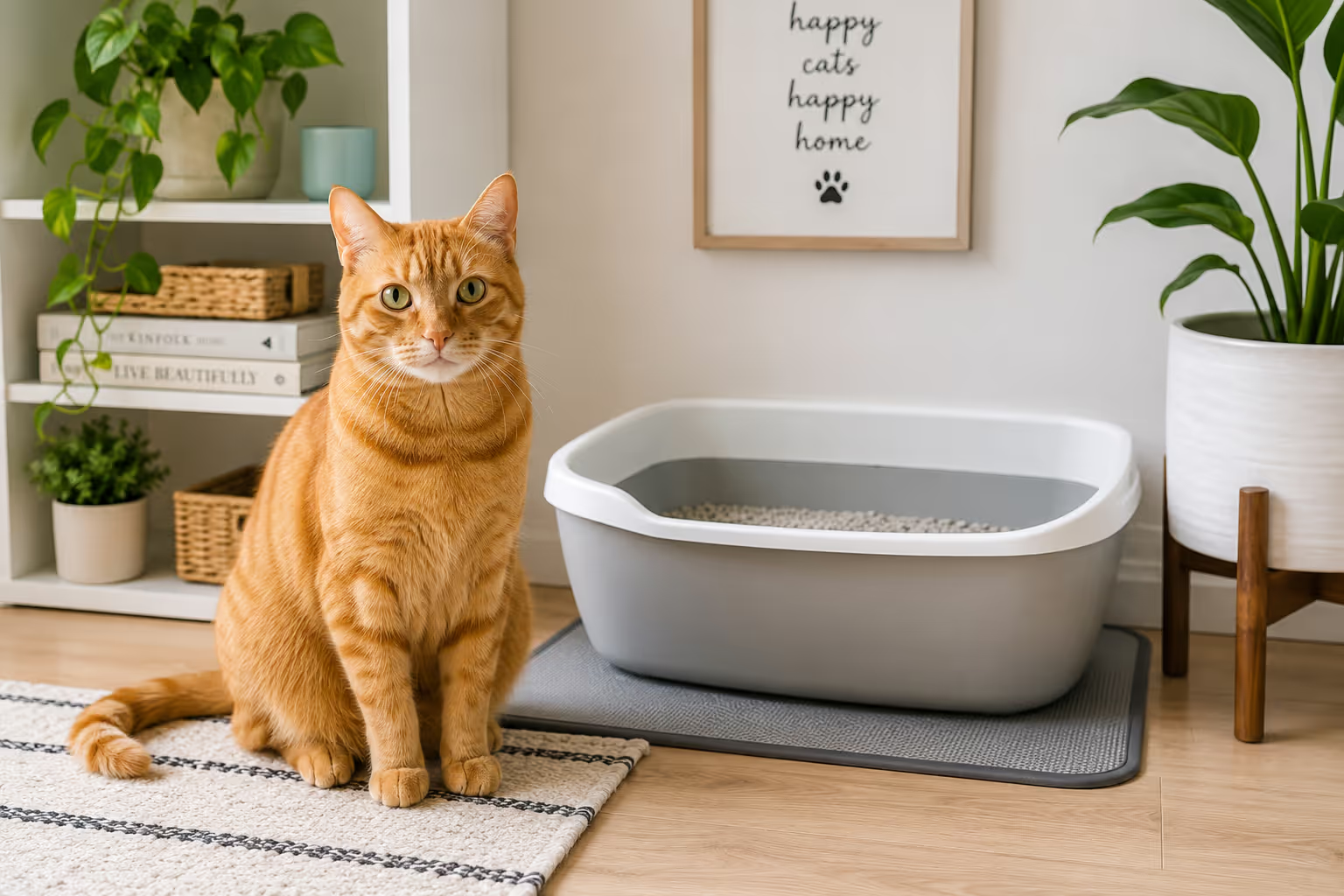
Why Is My Cat Suddenly Urinating Outside the Litter Box?
You walk into the laundry room and notice a puddle beside the litter box. Maybe your cat is making frequent trips to the litter box, straining to urinate, or vocalizing while trying to go.
If you've noticed changes in your cat's litter box habits, you're not alone.
Urinary problems are one of the most common reasons cats visit the veterinarian, and in some cases, they can become life-threatening if not addressed quickly.
The good news? Many urinary conditions can be successfully treated, especially when caught early.
What Is FLUTD?
FLUTD stands for Feline Lower Urinary Tract Disease.
Rather than being a single disease, FLUTD is a term used to describe a group of conditions that affect the bladder and urethra.
Common causes include:
- Feline Idiopathic Cystitis (FIC)
- Urinary crystals
- Bladder stones
- Urinary tract infections
- Urethral obstruction
- Stress-related bladder inflammation
Many of these conditions produce very similar symptoms, which is why veterinary assessment is so important.
Common Signs of Urinary Disease in Cats
Symptoms can vary depending on the underlying cause, but common warning signs include:
- Frequent trips to the litter box
- Straining to urinate
- Crying or vocalizing while urinating
- Blood in the urine
- Urinating outside the litter box
- Excessive licking of the genital area
- Small amounts of urine produced
- Changes in behaviour
- Hiding or reduced activity
Even subtle changes can indicate discomfort or pain.
When Is It an Emergency?
Urinary issues should always be taken seriously, particularly in male cats.
Seek Veterinary Care Immediately If:
- Your cat is straining but producing little or no urine
- Your cat appears painful or distressed
- Your cat becomes lethargic or weak
- Your cat is hiding and refusing food
- Your cat has not urinated for several hours despite repeated attempts
A urinary blockage can quickly become life-threatening and requires emergency treatment.
If you're unsure, it's always safest to contact a veterinarian.
Why Do Urinary Problems Happen?
Urinary disease can develop for many reasons, and it's important to remember that it is not your fault.
Risk factors include:
Stress
Changes such as moving, visitors, schedule changes, renovations, or introducing new pets can contribute to urinary flare-ups.
Low Water Intake
Cats naturally have a low thirst drive, which can contribute to concentrated urine and urinary tract issues.
Obesity
Overweight cats are at increased risk of urinary disease and other health concerns.
Indoor Lifestyle
Indoor cats may exercise less and experience fewer opportunities for environmental enrichment.
Male Anatomy
Male cats have a narrower urethra, making them more susceptible to urinary blockages.
What Is Feline Idiopathic Cystitis (FIC)?
FIC is one of the most common causes of urinary symptoms in cats under ten years of age.
The term "idiopathic" means we do not fully understand the exact cause.
Research suggests that FIC is strongly associated with:
- Stress
- Environmental changes
- Limited enrichment
- Low water intake
Although stress often plays a role, FIC is a real medical condition that causes inflammation and discomfort and should not be dismissed as a behavioural issue.
How Is Urinary Disease Diagnosed?
Your veterinarian will begin with a physical examination and medical history.
Additional testing may include:
Urinalysis
A urine sample can help identify crystals, inflammation, infection, or other abnormalities.
Bloodwork
Blood testing helps assess hydration, kidney function, and electrolyte balance.
Imaging
X-rays or ultrasound may be recommended to evaluate for bladder stones, urinary obstruction, or structural abnormalities.
How Is FLUTD Treated?
Treatment depends on the underlying cause.
Urinary Tract Infections
Treatment may include antibiotics and follow-up testing.
Urinary Crystals or Stones
Management may include:
- Prescription urinary diets
- Increased water intake
- Medication
- Surgery in some cases
Feline Idiopathic Cystitis
Treatment often focuses on:
- Pain control
- Stress reduction
- Environmental enrichment
- Increasing hydration
Urinary Blockage
This is a medical emergency that requires immediate hospitalization and treatment.
How Can I Help Prevent Urinary Problems?
While not every case can be prevented, several strategies may reduce risk.
Encourage Water Intake
- Feed wet food when appropriate
- Provide multiple water sources
- Consider a cat water fountain
Reduce Stress
- Maintain consistent routines
- Provide hiding spaces
- Offer interactive play opportunities
- Use multiple litter boxes in multi-cat households
Maintain a Healthy Weight
Weight management plays an important role in overall urinary health.
Follow Veterinary Recommendations
For cats with recurring urinary problems, prescription diets and long-term management strategies may be recommended.
Frequently Asked Questions
Is Peeing Outside the Litter Box Always Behavioural?
No.
Medical causes should always be considered before assuming the problem is behavioural.
Are Urinary Tract Infections Common in Cats?
UTIs occur in cats but are less common than many owners expect, particularly in younger cats.
Can Urinary Problems Come Back?
Yes.
Cats who have experienced urinary disease are often at increased risk of future episodes.
Are Male Cats More at Risk?
Generally, yes.
Male cats have a narrower urethra, making urinary blockages more likely.
When Should I Call a Veterinarian?
Contact your veterinarian if your cat:
- Is straining to urinate
- Has blood in the urine
- Is urinating outside the litter box
- Seems uncomfortable
- Has changes in litter box habits
Cats are very good at hiding pain, and early intervention often leads to better outcomes.
Final Thoughts
Changes in litter box habits are often one of the first signs that something isn't right.
Whether the cause is stress, inflammation, crystals, or a urinary blockage, prompt veterinary attention can make a significant difference in your cat's comfort and health.
If you notice any changes in your cat's urination habits, don't wait. A conversation with your veterinarian can help determine whether the issue is minor or requires urgent care.