


What Should You Bring to Your Vet Appointment? A New Pet Owner Checklist

What Should You Bring to Your Pet's First Vet Appointment?
Congratulations on your new pet! Whether you're welcoming your very first companion or adding another furry family member to your home, becoming a pet owner is an exciting milestone. It can also bring plenty of questions, especially when it's time for that first veterinary visit.
At VetTeQ, we want to make those firsts feel a little less overwhelming. Our Pet Ownership 101 series is designed to help new and experienced pet owners feel more confident navigating every stage of their pet's healthcare journey.
One of the most important first steps after bringing your new pet home is scheduling their first veterinary appointment. Arriving prepared helps your veterinary team get a complete picture of your pet's health and ensures they can provide the best possible care from day one. Whether you've adopted a young puppy or kitten, rescued an adult pet, or welcomed a senior companion into your family, here's what you should bring to your first vet appointment.
Adoption or Rescue Information
Knowing where your pet came from is an important part of their medical history. Be prepared to share information about the breeder or rescue organization, including any paperwork you received during the adoption process.
If your pet came from a rescue, your veterinarian may use this information to better understand your pet's background, potential exposure to infectious diseases, and early socialization. If your pet came from a breeder, your veterinarian may ask about breeding certificates or family history to identify any inherited conditions that could affect your pet's long-term health.
Vaccination and Deworming Records
Every new pet should arrive with documentation of any veterinary examinations, vaccinations, and deworming treatments they've already received. Even if your puppy or kitten hasn't completed their full vaccine series, having a record of previous treatments helps your veterinarian determine exactly what care is needed next.
If your new pet has not been examined by a veterinarian before adoption, it's worth asking why. Reputable breeders and rescue organizations typically ensure every animal receives an initial health check before going to their new home.
Your Pet's Diet and Feeding Schedule
It may seem like a small detail, but knowing exactly what your pet is eating can provide valuable insight into their overall health.
Try to bring the name and brand of your pet's food, whether it's dry, canned, raw, or another diet. Your veterinarian may recommend dietary changes depending on your pet's age, breed, medical history, or risk factors. For example, kittens require different nutrition than adult cats, and some large breed dogs may benefit from avoiding certain diets associated with heart disease.
Previous Medical Records
If your pet has already received veterinary care, bring any medical records you have available. This may include previous examination notes, bloodwork, X-rays, medications, surgery reports, or other health information.
Having these records available helps avoid unnecessary repeat testing and gives your veterinary team a more complete understanding of your pet's medical history.
Questions, Concerns and Recent Changes
Before your appointment, take a few minutes to write down any questions or concerns you or your family have noticed.
Has your pet been scratching more than usual? Eating differently? Coughing occasionally? Acting less energetic? Even small changes in your pet's daily routine can provide important clues for your veterinarian.
If multiple family members help care for your pet, it can also be helpful to check in with everyone beforehand so nothing important is forgotten during the appointment.
Preparing a list of questions ahead of time helps ensure you leave your appointment feeling informed and confident about your pet's care.
Be Prepared for Every Visit
Preparing for your pet's first veterinary appointment doesn't have to be stressful. Bringing organized medical records, vaccination history, diet information, and a list of questions helps your veterinary team focus on what matters most: providing the best possible care for your pet.
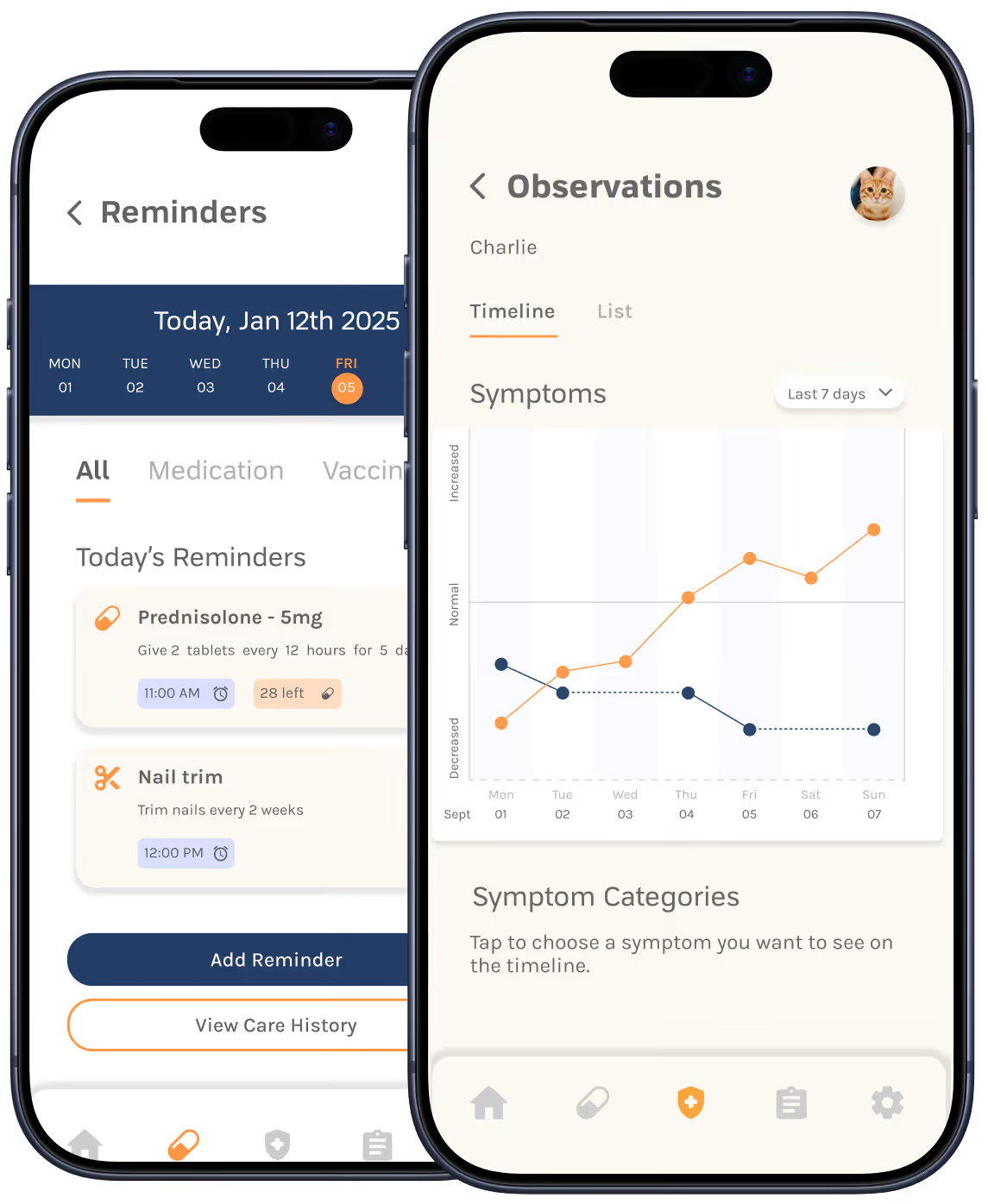
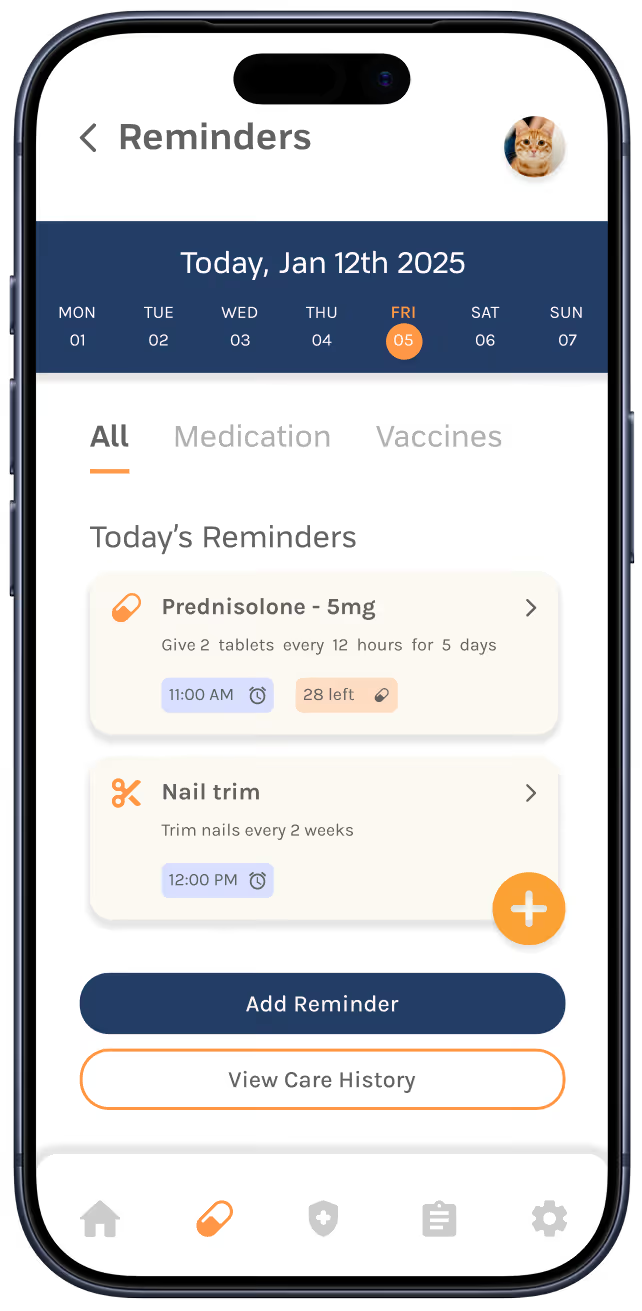
VetTeQ makes it easy to keep all of your pet's health information in one place, so you're always prepared for your next veterinary visit. Whether you're tracking vaccinations, organizing medical records, or logging symptoms between appointments, you'll have everything you need right at your fingertips.