


Wildfire Smoke & Pets: How to Protect Your Dog or Cat During Poor Air Quality

Every summer, wildfire smoke becomes a reality for more communities across North America and Europe. While most of us know to stay indoors and avoid strenuous activity when air quality is poor, it's easy to forget that our pets are breathing the same air we are.
Dogs and cats can be affected by wildfire smoke just like people. In some cases, smoke exposure can cause mild irritation. In others, it can lead to serious breathing problems that require immediate veterinary care.
Here's what every pet owner should know about wildfire smoke, the warning signs to watch for, and when it's time to contact your veterinary team.
How Does Wildfire Smoke Affect Pets?
Wildfire smoke is made up of a mixture of gases, tiny particles, soot, fumes, and heated air released from burning vegetation, buildings, and other materials. When inhaled, these particles can irritate your pet's eyes, nose, throat, and lungs.
The severity of smoke inhalation depends on several factors, including how long your pet was exposed, the concentration of smoke, and their overall health. Young pets, senior pets, and those with existing heart or respiratory conditions are often more vulnerable to the effects of poor air quality.
In severe cases, wildfire smoke can reduce the amount of oxygen reaching your pet's tissues, making prompt veterinary assessment extremely important.
Which Pets Are Most at Risk?
While any pet can be affected by wildfire smoke, some are at a higher risk of developing complications, including:
• Puppies and kittens
• Senior pets
• Flat-faced breeds such as Pugs, French Bulldogs, Boston Terriers, Persian cats, and Himalayan cats
• Pets with asthma or chronic respiratory disease
• Pets with heart disease
• Pets recovering from illness or surgery
If your pet falls into one of these categories, it's especially important to limit outdoor exposure during periods of poor air quality.
Signs Your Pet May Be Affected by Smoke
Pets can't tell us when they're having trouble breathing, so it's important to recognize the warning signs.
Watch for:
• Coughing
• Sneezing
• Wheezing
• Laboured or rapid breathing
• Eye irritation or excessive tearing
• Nasal discharge
• Unusual tiredness or weakness
• Reluctance to exercise or go for walks
• Vomiting
• Confusion or unusual behaviour
• Bright red gums
If your pet has been exposed to smoke, you may also notice the smell of smoke on their fur or soot around their nose and mouth.
How Will My Veterinarian Diagnose Smoke Inhalation?
If smoke inhalation is suspected, your veterinarian will begin with a thorough physical examination and discuss your pet's recent history, including any known exposure to wildfire smoke or structural fires.
Depending on your pet's condition, your veterinary team may recommend:
• Blood tests
• Chest x-rays
• Oxygen monitoring
• Heart monitoring (ECG)
• Additional imaging or diagnostics if needed
It's worth noting that chest x-rays may appear normal immediately after smoke exposure. In some cases, changes in the lungs can take up to 72 hours to become visible, which is why follow-up imaging may be recommended.
How Is Smoke Inhalation Treated?
Treatment depends on the severity of your pet's symptoms.
The most common treatment is oxygen therapy, which helps increase oxygen levels in the bloodstream while reducing the effects of carbon monoxide exposure. Humidified oxygen can also help loosen airway secretions and improve breathing comfort.
Other treatments may include:
• Intravenous (IV) fluids
• Medications to open the airways (bronchodilators)
• Pain management for burn injuries
• Ongoing monitoring
• Mechanical ventilation in severe cases
Your veterinarian will recommend a treatment plan based on your pet's specific needs.
When Should You Contact Your Veterinarian?
Seek veterinary care immediately if your pet:
• Is struggling to breathe
• Has blue, grey, or very pale gums
• Collapses
• Has persistent coughing
• Appears confused or unusually weak
• Stops eating or drinking
• Was trapped in heavy smoke
Early intervention is often associated with better outcomes, so if you're concerned, it's always best to contact your veterinary team.
How Can You Protect Your Pet During Wildfire Season?
While we can't control wildfire smoke, there are simple steps you can take to reduce your pet's exposure.
• Keep pets indoors as much as possible when air quality is poor.
• Avoid strenuous exercise and long walks.
• Monitor your local Air Quality Health Index (AQHI) or air quality reports.
• Keep windows and doors closed when possible.
• Use recycled air conditioning or an air purifier if available.
• Make sure your pet has access to plenty of fresh water.
• Make a contingency plan with your veterinarian about added precautions if your pet has medical conditions that make them more at risk.
For dogs that still need exercise, consider replacing long outdoor walks with indoor enrichment activities like puzzle feeders, training games, sniffing activities, or short play sessions until air quality improves.
What Is the Prognosis?
Every case of smoke inhalation is different.
Your pet's recovery depends on factors such as how long they were exposed, the severity of their symptoms, and how quickly treatment begins.
The good news is that many pets recover well when smoke inhalation is recognized early and treated promptly.
Keeping Track Can Make a Difference
When your pet isn't feeling well, it's easy to forget exactly when symptoms started or whether they've been getting better or worse.
Keeping notes, photos, videos, and symptom logs can help your veterinarian build a much clearer picture of what's happening and make more informed treatment decisions.
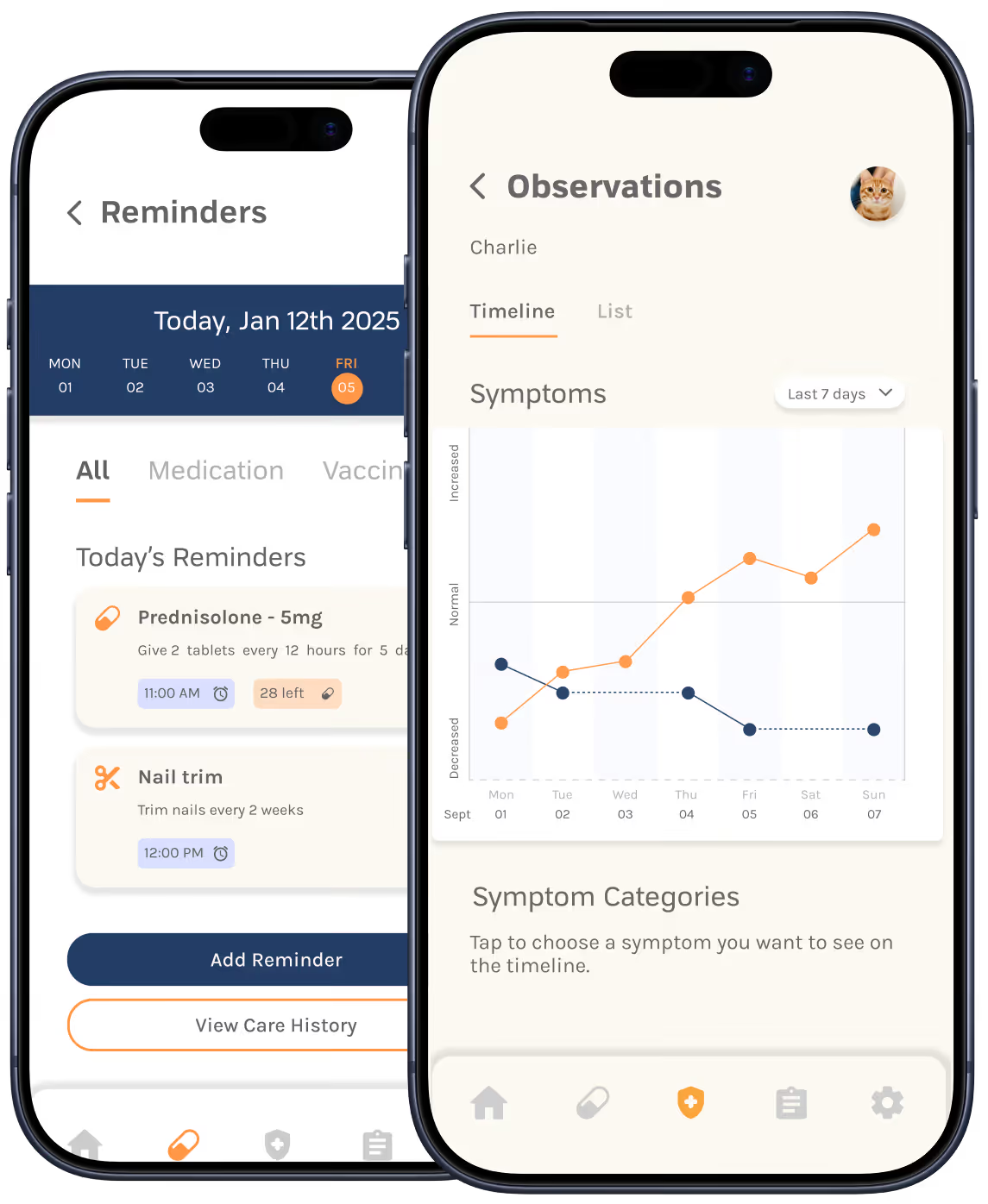
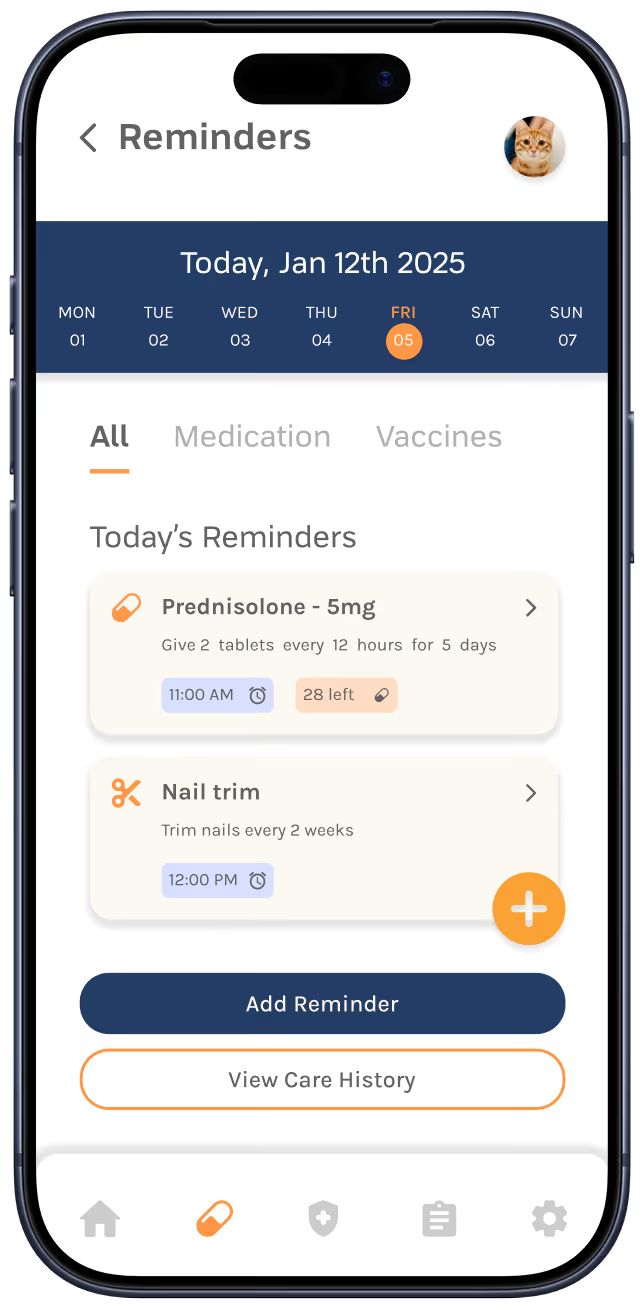
VetTeQ helps you keep your pet's medical information, symptom tracking, medications, reminders, and health records all in one place, so you're always prepared for the next appointment.
Because the appointment lasts 20 minutes.
Pet care happens every day.
Frequently Asked Questions
Can wildfire smoke make dogs sick?
Yes. Dogs can develop coughing, breathing difficulties, eye irritation, lethargy, and other symptoms after exposure to wildfire smoke. This can be worse in brachycephalic breeds like French Bulldogs or English Bulldogs, or senior dogs with lung conditions like bronchitis.
Can wildfire smoke affect cats?
Absolutely. Cats are also susceptible to smoke inhalation and may show signs such as coughing, rapid breathing, hiding, decreased appetite, or lethargy. Particularly if they are suffering from feline asthma.
Is it safe to walk my dog when the air quality is poor?
If air quality is poor, it's best to limit outdoor activity and keep walks short. Consider indoor enrichment activities until conditions improve.
When should I take my pet to the vet?
If your pet has a short face (brachycephalic), asthma, bronchitis, lung cancer, pneumonia or collapsing trachea / laryngeal paralysis. Your vet may want to provide dose adjustments or added precautions for their care. If your pet is having difficulty breathing, has persistent coughing, seems unusually tired, or was exposed to significant smoke, contact your veterinarian as soon as possible.